1. Basílica de la Sagrada Família
The Sagrada Família is Barcelona’s most recognizable landmark, with Gaudí’s soaring spires and intricate façades still under construction. Inside, the stained-glass light and forest-like columns create an immersive architectural experience unlike any other cathedral. Book timed entry to explore the nave, museum, and optional tower views over the Eixample grid. Treat Basílica de la Sagrada Família as a focused visit rather than trying to exhaust every gallery; check current timed-entry rules, temporary closures and the collections that matter most to you before arrival.
2. Park Güell
Park Güell blends mosaic terraces, playful architecture, and hillside views of Barcelona’s skyline and the Mediterranean beyond. The Monumental Zone showcases Gaudí’s colorful tile work, while the upper paths feel like a peaceful garden escape. Arrive early for softer light and room to linger on the panoramic terrace. Use Park Güell as a genuine walking block rather than a drive-by stop, and check current weather, trail, access or seasonal conditions before setting out.
3. Casa Batlló
Casa Batlló is Gaudí’s imaginative masterpiece on Passeig de Gràcia, known for its undulating façade and dragon-back roofline. The interior tour highlights flowing staircases, stained glass, and organic forms that redefine modernist design. It is a must for architecture lovers exploring Barcelona’s signature design scene. Approach Casa Batlló through the surrounding streets before moving directly to its principal viewpoint, since the changing sightlines help explain why it became such a powerful landmark in Barcelona.
4. La Rambla
La Rambla is Barcelona’s most famous promenade, lined with cafés, flower stalls, and street performers connecting Plaça de Catalunya to the waterfront. Stop at La Boqueria Market for local produce and tapas, then weave into the side streets of the Gothic Quarter. It is a lively, central corridor that captures the city’s daily rhythm. Visit La Rambla earlier in the day if you want to see more of its working-market rhythm, then continue on foot into the surrounding streets instead of treating the market as an isolated food stop.
5. Gothic Quarter (Barri Gòtic)
The Gothic Quarter is a labyrinth of medieval alleys, Roman walls, and hidden plazas that reveal Barcelona’s oldest layers. Wander past the Cathedral of Barcelona and Plaça Reial, then pause in quiet squares for tapas and people-watching. It is the most atmospheric area for exploring the city’s history on foot. Because Gothic Quarter (Barri Gòtic) is also a religious or ceremonial site, check current visiting hours, services, dress expectations and any separate tower, crypt or treasury access before building the day around it.
6. Barceloneta Beach
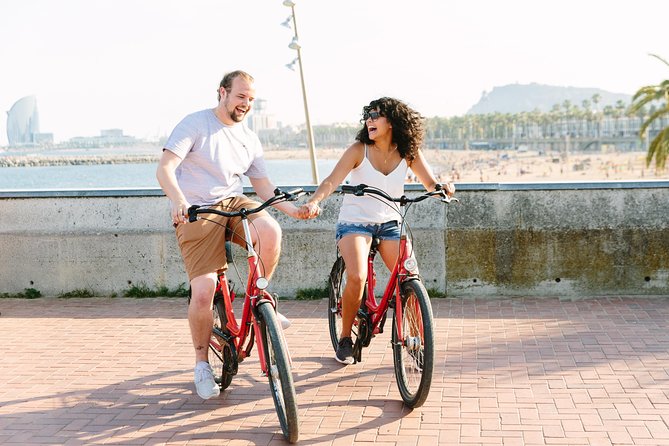
Barceloneta Beach is the city’s classic seaside stretch, where locals jog the promenade and beach clubs set up along the sand. The wide shoreline offers easy access for a quick swim or sunset walk with views back to the skyline. Pair it with seafood in the Barceloneta neighborhood for a full coastal afternoon. Walk at least part of Barceloneta Beach in both directions when practical, because changing sightlines across the water make the site especially useful for understanding Barcelona's physical layout.
7. Montjuïc Castle
Montjuïc Castle sits atop the city’s hill with sweeping views of the port, coastline, and urban grid below. The fortress grounds blend military history with breezy promenades and open courtyards. Ride the cable car or hike up for a scenic approach and linger for golden-hour vistas. If interiors are a priority, leave enough time for both the principal rooms and the surrounding grounds, because the scale and setting of Montjuïc Castle are part of the experience rather than scenery between photo stops.
8. Picasso Museum
The Picasso Museum traces the artist’s formative years in Barcelona through thousands of works housed in medieval palaces. The collection highlights early sketches, Blue Period pieces, and a famous series inspired by Las Meninas. It is the best place to understand Picasso’s connection to the city and its creative heritage. Treat Picasso Museum as a focused visit rather than trying to exhaust every gallery; check current timed-entry rules, temporary closures and the collections that matter most to you before arrival.
 All Outdoor Adventures