1. Explore Las Vegas Strip
The Las Vegas Strip is a roughly 4.2-mile section of Las Vegas Boulevard South lined with resort hotels, arenas, and major entertainment venues. Although people call it “Las Vegas,” most of the Strip is actually in the unincorporated communities of Paradise and Winchester, not inside the City of Las Vegas limits. The corridor became globally famous after postwar megaresort development accelerated in the late 20th century, and it now hosts landmarks such as the Bellagio, Caesars Palace, and MGM Grand. Walking portions of the Strip lets you compare themed architecture, synchronized fountain shows, and high-capacity event spaces that together define the city’s tourism economy.
Source: Wikipedia2. Explore Fremont Street Experience
Fremont Street Experience is a five-block pedestrian mall in downtown Las Vegas centered on Fremont Street, where casinos such as Golden Nugget and Binion’s helped establish the city’s early gambling identity. The district’s signature feature is the LED canopy known as Viva Vision, which spans the street and presents scheduled light-and-sound shows overhead. The pedestrianized zone opened in 1995 and later expanded, combining free concerts, street performers, and zipline attractions with historic neon signage. Visiting both Fremont Street and the Strip in one trip clearly shows two eras of Las Vegas development: the older downtown casino core and the newer megaresort corridor to the south. The canopy-covered mall opened in 1995 and spans about five blocks in downtown Las Vegas.
Source: Wikipedia3. Explore Red Rock Canyon
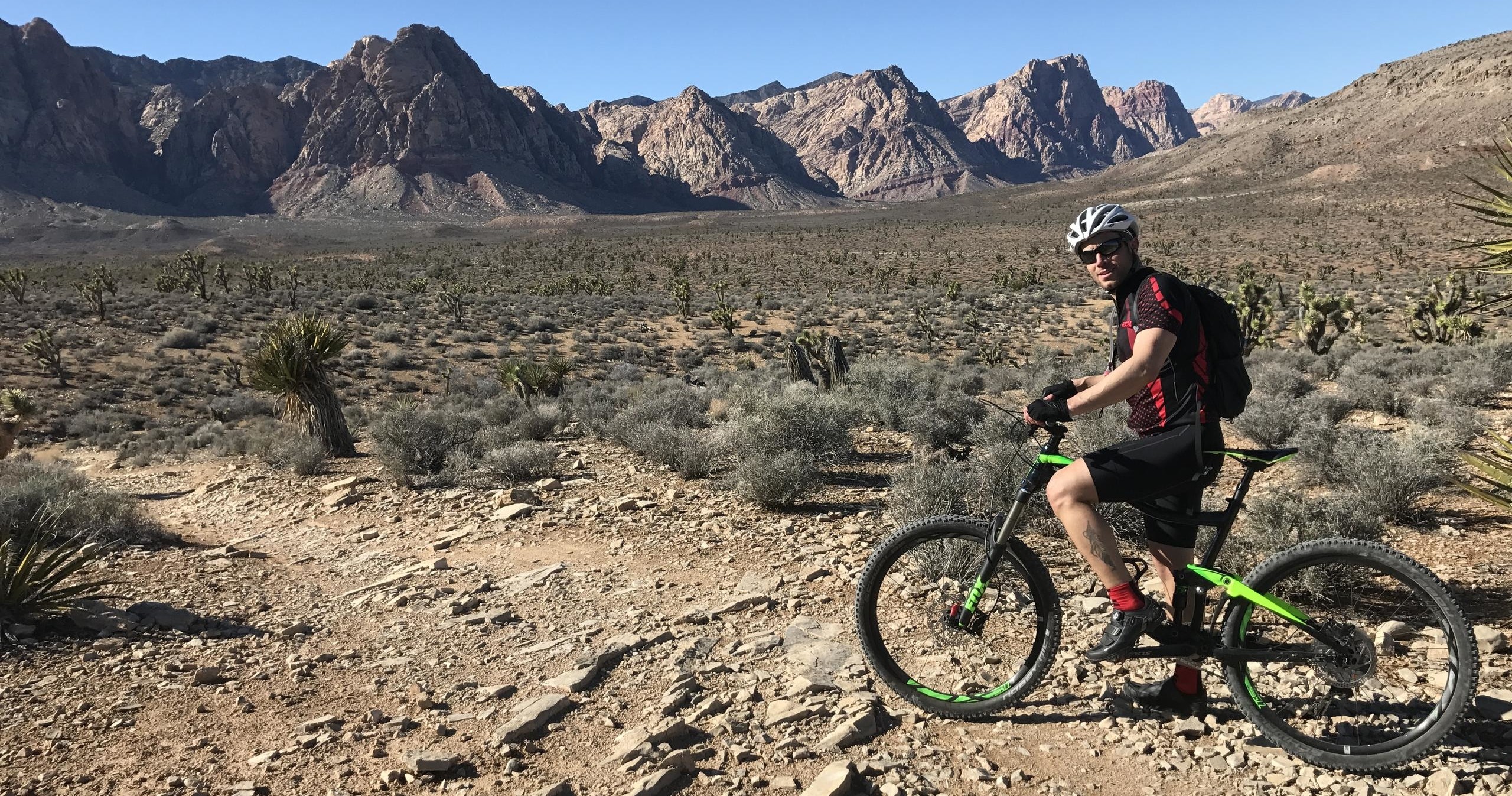
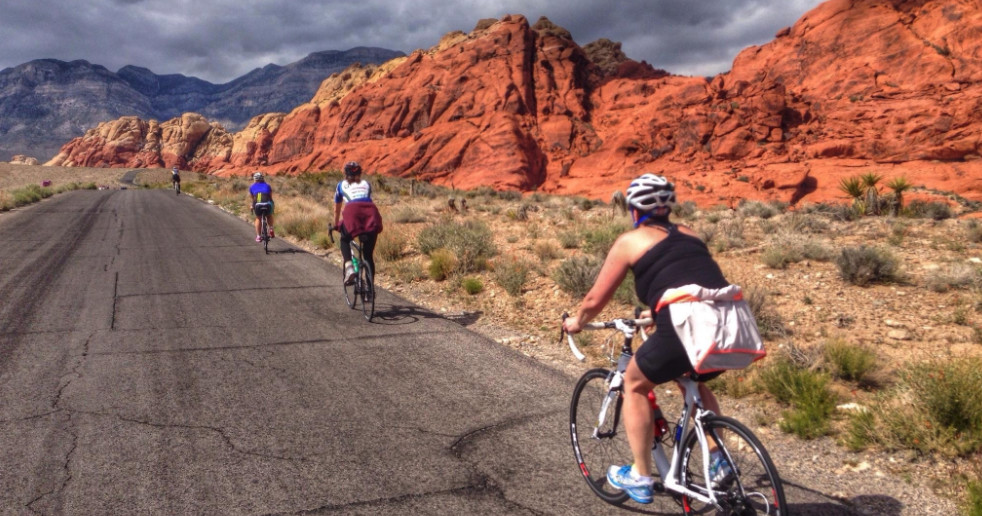
Red Rock Canyon National Conservation Area sits about 17 miles west of the Las Vegas Valley and protects dramatic red sandstone formations along the eastern edge of the Mojave Desert. The area includes a 13-mile scenic drive and more than two dozen hiking trails that range from short interpretive loops to longer canyon routes. It was designated as Nevada’s first National Conservation Area in 1990, and the cliffs are internationally known among climbers for long multi-pitch routes. Because elevation and exposure vary by trail, visitors can plan sunrise hikes for cooler temperatures, then use pullouts on the scenic drive to study geologic layers and broad desert basin views.
Source: Wikipedia4. Explore Neon Museum
The Neon Museum preserves and interprets historic Las Vegas signs, including large rescued pieces from casinos, motels, and local businesses that once defined the city’s visual identity. The museum opened in 1996, and its outdoor “Neon Boneyard” allows visitors to walk among restored and unrestored signs while guides explain typography, fabrication techniques, and changing tourism trends. One of the institution’s most recognized artifacts is the restored La Concha Motel lobby shell, designed by architect Paul Revere Williams and now used as the visitor center. A stop here adds context that you do not get on the Strip alone, because it traces how branding and architecture evolved across decades of Las Vegas growth. The museum opened in 2012 at its current boneyard site and preserves signs dating from the 1930s onward.
Source: Wikipedia5. Explore Bellagio Fountains
The Fountains of Bellagio are an 8-acre choreographed water installation set in front of the Bellagio resort on the Las Vegas Strip. The system debuted with the hotel in 1998 and uses more than 1,000 fountain nozzles and thousands of lights to stage synchronized performances set to music. Shows typically run at regular intervals in the afternoon and evening, making it one of the city’s most accessible free attractions. Watching from different vantage points along Las Vegas Boulevard reveals how the lake, resort façade, and lighting were designed as a unified spectacle, and evening timing usually provides the strongest contrast between illuminated jets and surrounding skyline.
Source: Wikipedia6. Explore Arts District
Las Vegas Arts District, often called “18b,” covers a section of downtown south of Fremont Street that is known for galleries, vintage shops, local restaurants, and monthly arts events. The area’s name references its approximate 18-block footprint, and redevelopment accelerated as warehouses and low-rise commercial buildings were adapted for creative and small-business uses. First Friday, launched in 2002, became a major recurring event that brings rotating art installations, music, and food vendors into the district’s streets. Visiting the Arts District adds a neighborhood-scale perspective to a Las Vegas itinerary by highlighting local entrepreneurs and cultural programming outside the casino resort environment.
Source: Wikipedia7. Explore Hoover Dam
Hoover Dam is a concrete arch-gravity dam in Black Canyon on the Colorado River, straddling the Nevada-Arizona border about 30 miles southeast of Las Vegas. Construction ran from 1931 to 1936, and the project created Lake Mead while supplying hydroelectric power and water management infrastructure to the Southwest. At 726 feet high, Hoover Dam was among the tallest dams in the world when completed, and its Art Deco detailing remains a major architectural draw. A visit combines engineering history with desert landscape views, and nearby overlooks on the Mike O’Callaghan–Pat Tillman Memorial Bridge provide clear perspectives of the dam’s curvature and canyon setting.
Source: Wikipedia8. Explore Valley of Fire State Park
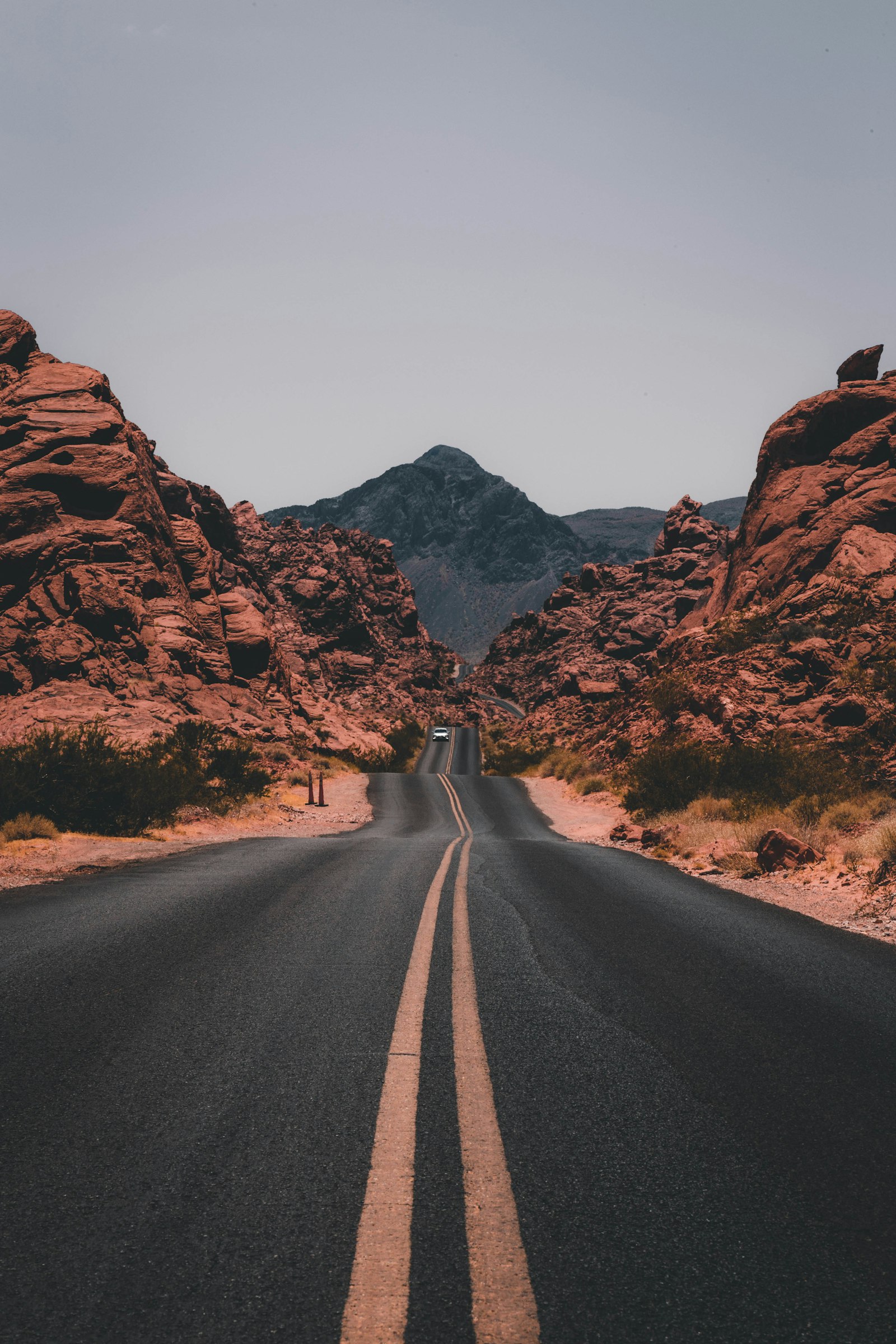
Valley of Fire State Park, established in 1935, is Nevada’s oldest state park and is located northeast of Las Vegas near the Lake Mead region. The park is known for vivid Aztec Sandstone formations that date to the Jurassic period, plus accessible petroglyph sites that document Indigenous presence across centuries. Scenic roads connect major stops such as Fire Wave viewpoints, Atlatl Rock, and White Domes, so travelers can combine short walks with broader geologic overlooks in one day. Because summer heat is intense, early-morning scheduling is practical for hiking, and the low-angle light helps reveal the layered textures and iron-rich color shifts that give the park its name. Nevada dedicated Valley of Fire in 1935, and the protected area covers more than 40,000 acres of desert landscape.
Source: Wikipedia
 All Outdoor Adventures