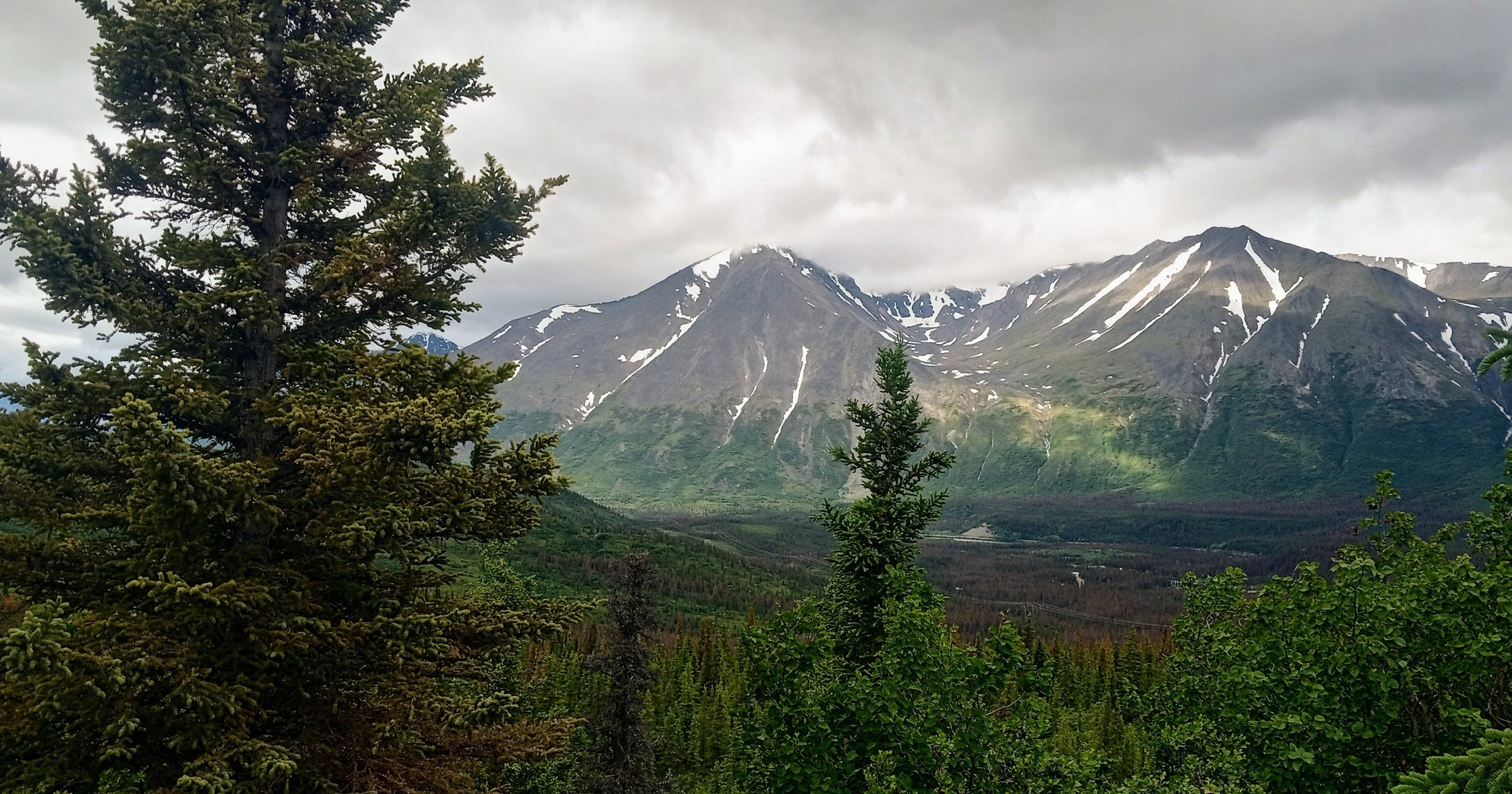
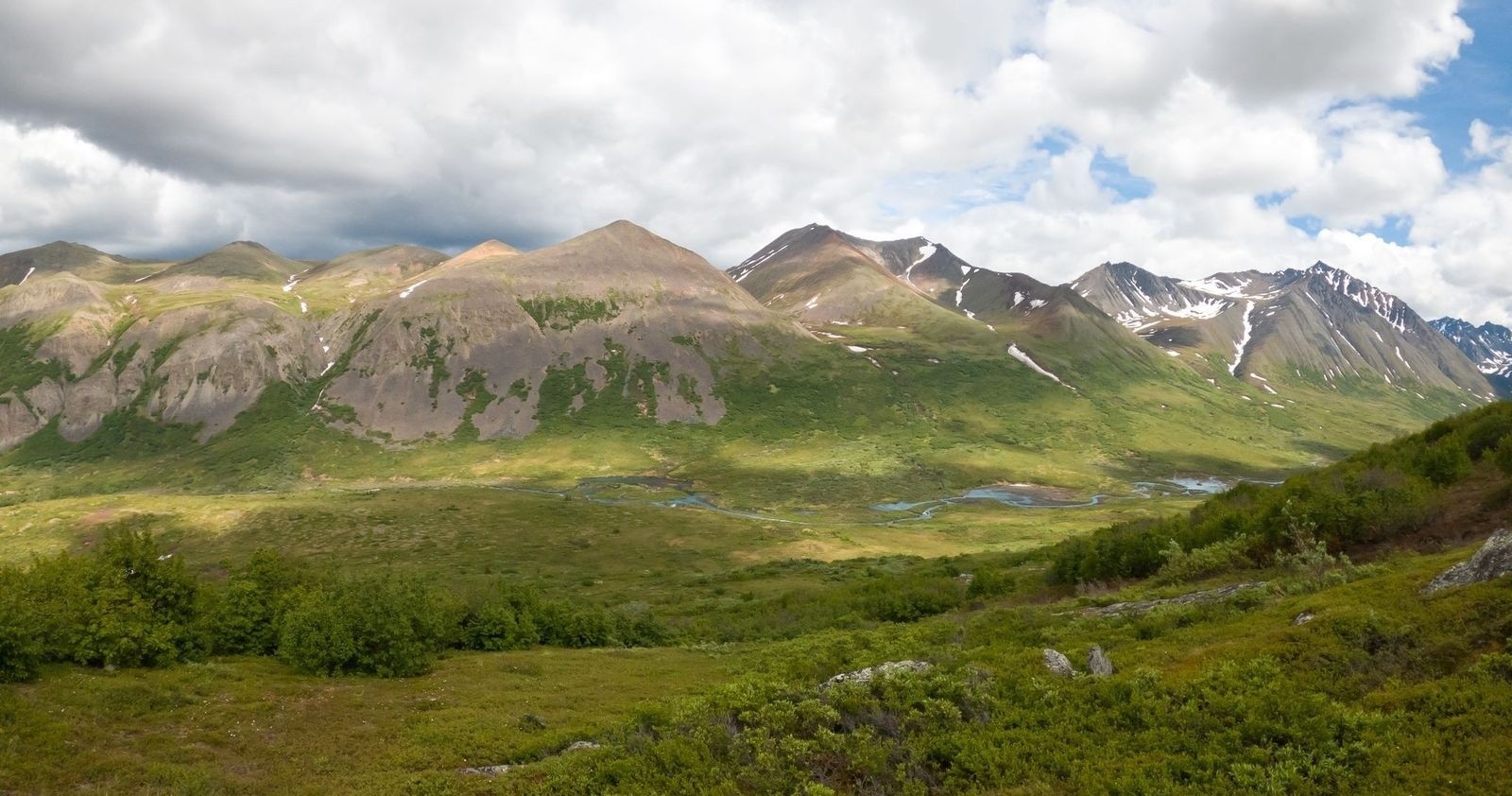
1. Ride the Denali Park Road
The park road is the main route into Denali's interior and the foundation of most first visits. In summer, private vehicles normally travel only the first 15 miles to Savage River while buses provide access farther west; 2026 bus operations stop at East Fork, Mile 43, because of the Pretty Rocks project. Reserve ahead when your schedule is tight and check current National Park Service conditions immediately before travel.
2. Use the entrance area for orientation
The Denali Visitor Center area, bus depot, railroad depot, trails, and nearby facilities make the park entrance much more than a place to collect a map. Start here to understand current road access, wildlife closures, ranger programs, and transportation choices. This is especially valuable when weather or seasonal operations have changed since an itinerary was booked.
3. Hike the front-country trail system
Trails near the entrance provide forest, river, and ridge experiences without requiring a long bus journey into the park. Route difficulty ranges from easy walks to steeper climbs, and conditions can change quickly with rain, snow, mud, or wildlife activity. Ask about current closures and carry layers even when the entrance area feels mild.
4. Explore Savage River when access allows
Savage River near Mile 15 marks the usual end of summer private-vehicle access and offers tundra scenery and walking opportunities in a dramatically more open landscape than the entrance forest. Parking and access can be constrained, so transportation planning matters. Wind and weather are often more exposed here than visitors expect from the short distance on a map.
5. Watch wildlife without chasing sightings
Denali protects large intact habitats, which is why wildlife viewing can be extraordinary, but the animals are dispersed across a huge landscape. Binoculars improve the experience, and a bus ride often provides better opportunities than trying to drive repeatedly around the entrance area. Never approach or feed wildlife, and follow temporary closures around nesting, denning, or feeding sites.
6. Learn why sled dogs still matter in Denali
Denali maintains a working sled-dog kennel because dog teams remain useful for winter patrols in designated wilderness. Ranger programs and kennel visits, when offered, connect modern park operations with a long history of winter travel. Check the daily schedule because program availability changes by season.
7. Treat backcountry travel as a separate level of planning
Much of Denali has no constructed trail network, which allows genuine wilderness travel but demands navigation, river, wildlife, and weather judgment. Backcountry permits and orientation requirements may apply, and conditions can turn serious quickly. First-time visitors should not interpret the absence of technical trail infrastructure as evidence that cross-country travel is easy.
8. Use clear weather when it arrives
Denali itself can remain hidden behind clouds for long periods, so clear views should be treated as an opportunity rather than an expectation. When visibility improves, viewpoints along the road and higher trails can reveal the scale of the Alaska Range. A trip remains worthwhile without a summit view because tundra, wildlife, glacial valleys, and seasonal light are the larger experience.
 All Outdoor Adventures